
Transportation and Storage of Lithium Batteries
Properly selected packaging is an important part of the safe storage and transport of lithium batteries. In this category, you’ll find fire-resistant bags and cases, safety boxes, drums, protective padding, and related accessories. Our selection includes solutions for smaller rechargeable batteries, power tool batteries, and e-bike batteries, as well as for professional operations that handle the collection, storage, or transport of used and damaged batteries.

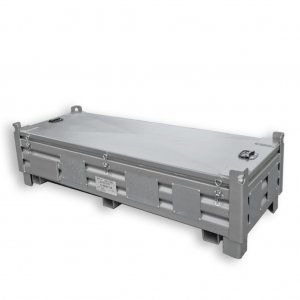

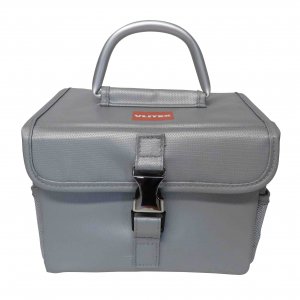
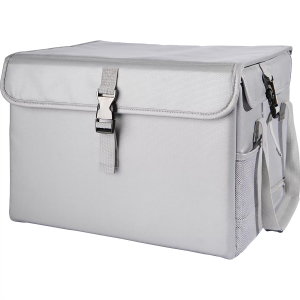





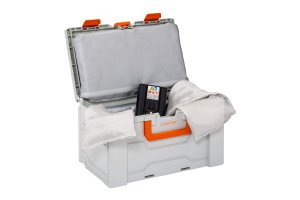
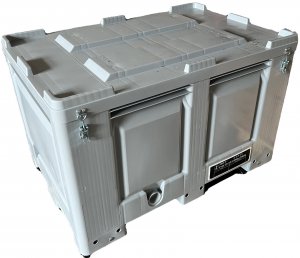
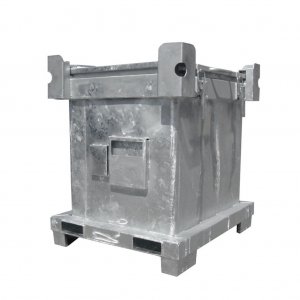


WHY SHOULD YOU PAY CLOSE ATTENTION TO BATTERY STORAGE?
Lithium-ion batteries store a significant amount of energy in a small space. Mechanical damage, an internal defect, or a short circuit can cause uncontrolled heating, known as thermal runaway. This can lead to a fire and the transfer of heat to adjacent cells. The failure may not manifest immediately after the battery is damaged.
Appropriate protective equipment helps mitigate the consequences of such an event, depending on its design. However, this does not mean that it will prevent every battery failure or completely eliminate the risk of fire. Its use must always comply with the product’s intended use and the manufacturer’s instructions.
WHAT TYPE OF PRODUCT SHOULD YOU CHOOSE?
Fire-resistant bags and cases
Practical protective cases for individual batteries or small electronic devices. Depending on the specific design, they are used for storage, transport, or even charging. Their heat-resistant construction helps slow the spread of heat and flames to the surrounding area. Always verify suitability for the specific battery and intended use.
Safety boxes
Solutions for organized storage and transport of batteries. Selected models feature non-flammable lining, protective cushions, or internal dividers. These can help separate individual batteries and restrict their movement. For transport, it is important to verify not only the box’s dimensions but also its approved use and required equipment.
Safety drums
Specialized containers for the separate storage and transport of batteries, including damaged batteries, within the scope specified for a particular product. They are used, for example, in service centers, collection points, and industrial facilities when preparing batteries for further processing or recycling.
WHAT ARE GRANULES AND PROTECTIVE FILLERS USED FOR?
Protective and filler materials are a functional part of the packaging, not merely ordinary packing materials. Depending on their design, foam glass granules, vermiculite, or special safety cushions help fill the space around the batteries, separate them, and limit heat transfer. The selected materials are electrically non-conductive and can absorb any leaking electrolyte. Always select the specific type of filler and method of use according to the instructions for the given packaging.
Accessories are available to complement the system, such as insert bags, protective pouches for individual batteries, or adapter plates for connecting and securing the boxes. When selecting accessories, check for compatibility with the specific product.
HOW TO CHOOSE THE RIGHT SIZE AND DESIGN?
First, determine whether you need to store, transport, collect for recycling, or also recharge the batteries. Take into account their type, condition, number, dimensions, weight, and any battery energy restrictions specified by the packaging manufacturer. It’s not enough to simply verify that the batteries fit inside—there must also be space for the required lining, dividers, or protective cushions.
IS EVERY PROTECTIVE CONTAINER SUITABLE FOR TRANSPORTING DAMAGED BATTERIES?
No. The “fireproof” designation alone does not confirm suitability for transporting damaged batteries. The decisive factors are the type of packaging, the condition of the battery, and compliance with the relevant packaging and transport requirements.
For road transport, it is necessary to verify the requirements of the ADR—the regulations for the transport of dangerous goods. Even the UN marking on the packaging alone does not automatically mean that all conditions are met. What matters is the entire packaging assembly, the method of packing, the shipment labeling, and compliance with the instructions for the specific batteries.
CAN I ALSO CHARGE A BATTERY WHILE IT IS IN PROTECTIVE PACKAGING?
Only if the specific product is explicitly designed for charging. Some bags and boxes offer this option, but it cannot be automatically assumed for every storage or shipping container. Always follow the instructions provided by the manufacturer of the battery, the charger, and the protective packaging. Do not charge batteries that are damaged, swollen, or otherwise suspicious.
NEED HELP CHOOSING?
Let us know what batteries you need to store or transport, including their dimensions, weight, quantity, and condition. Together, we’ll select the appropriate type of packaging and related accessories.